
 Image 1 of 14
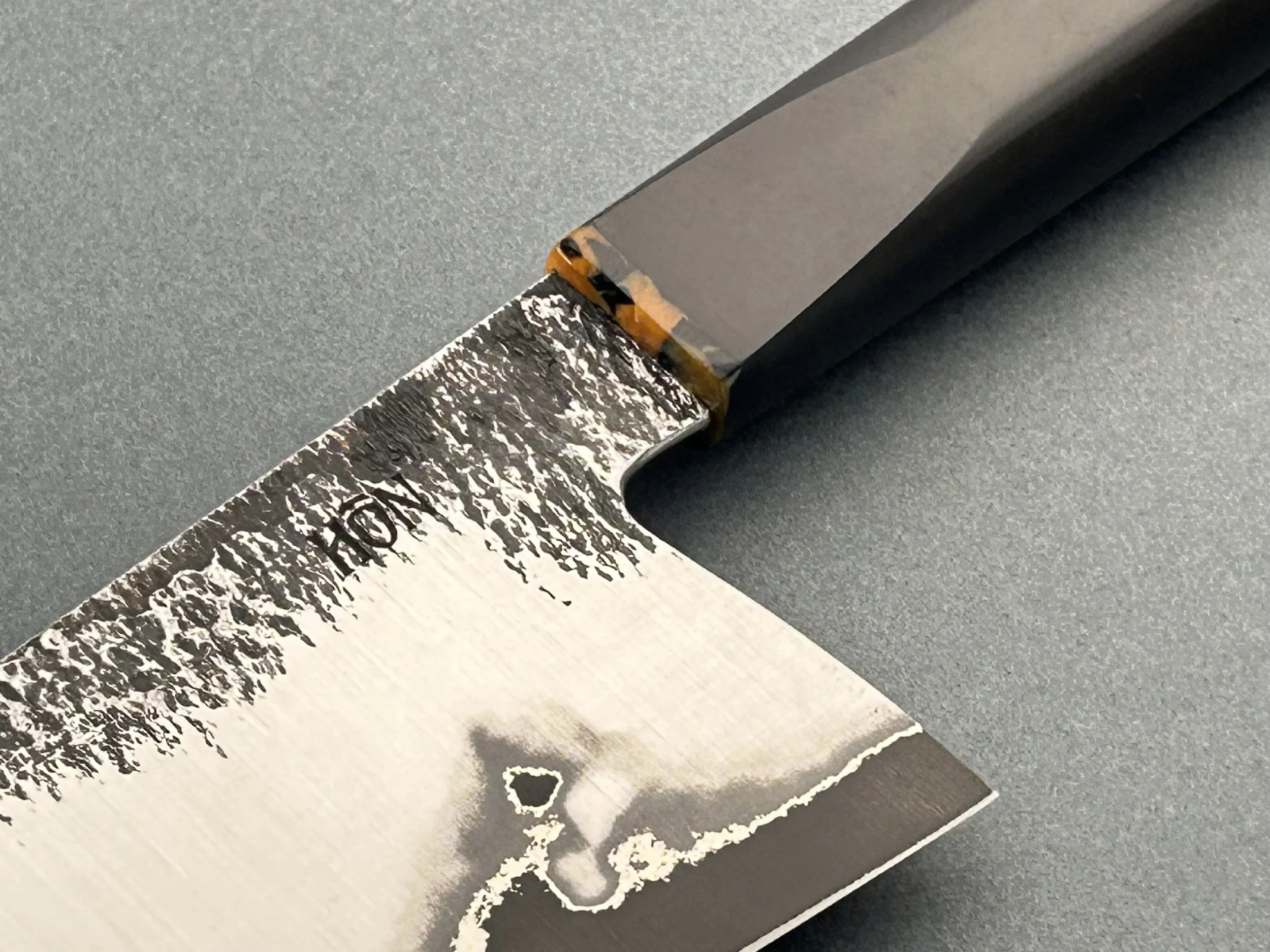 Image 2 of 14
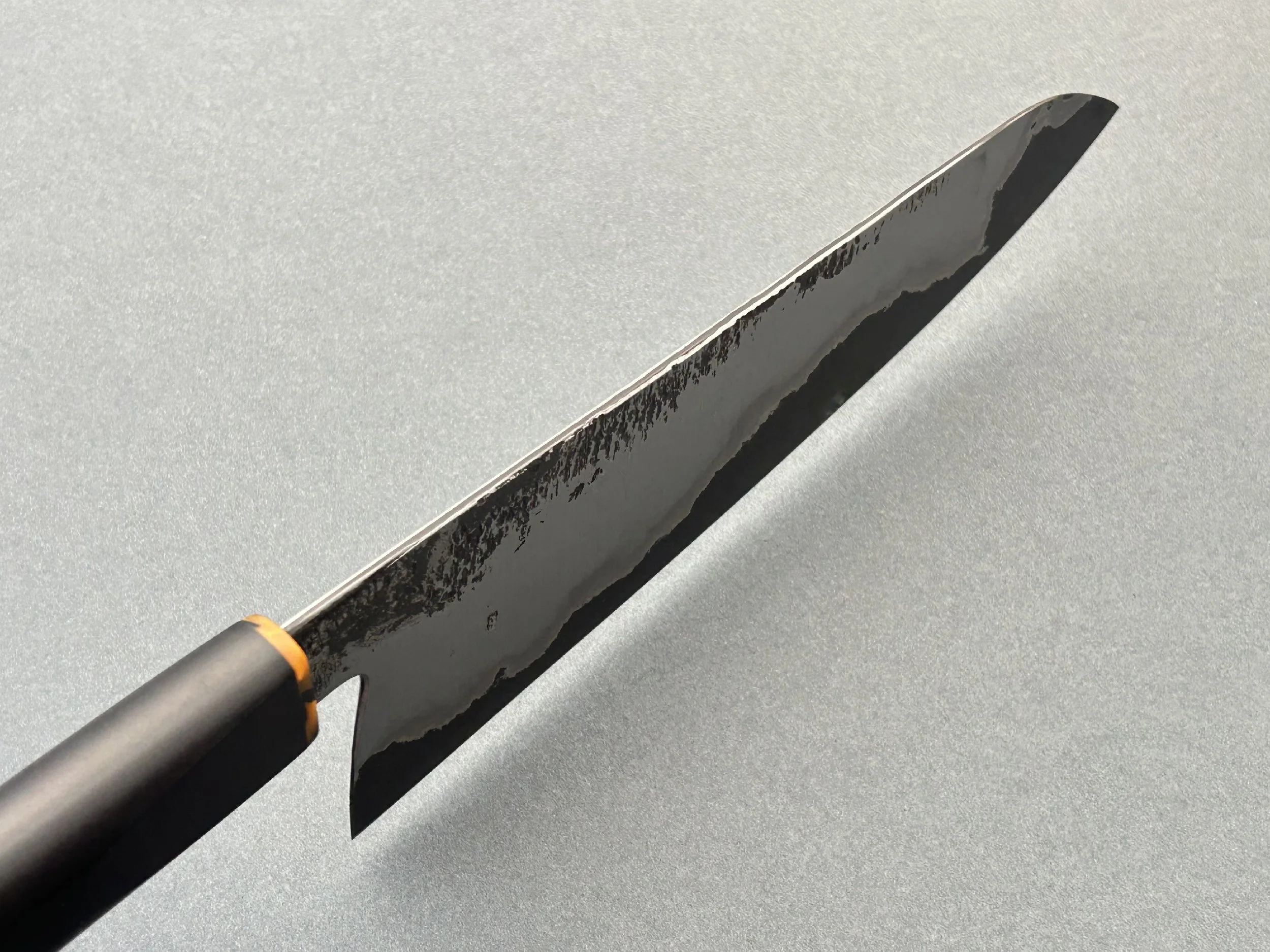 Image 3 of 14
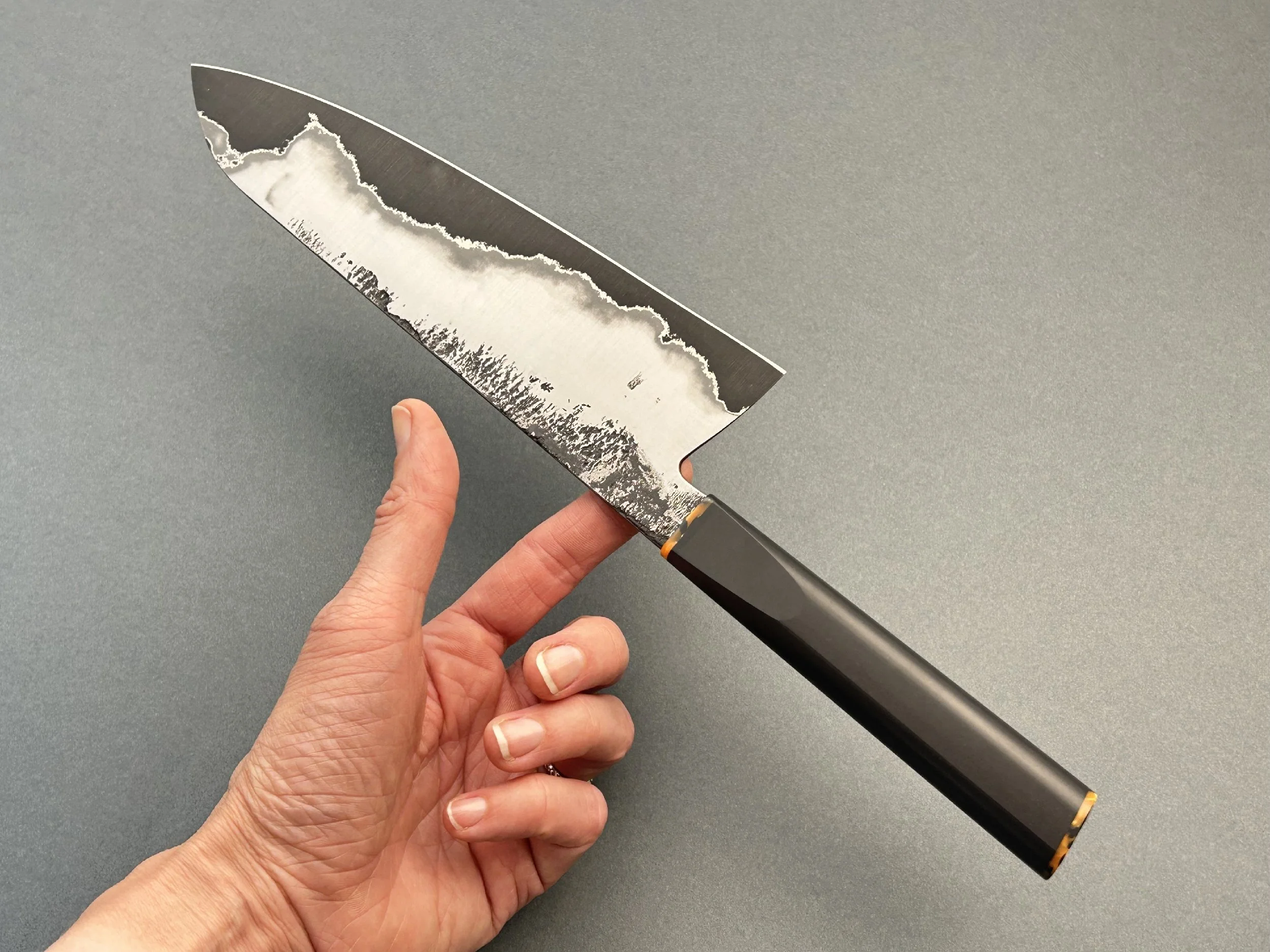 Image 4 of 14
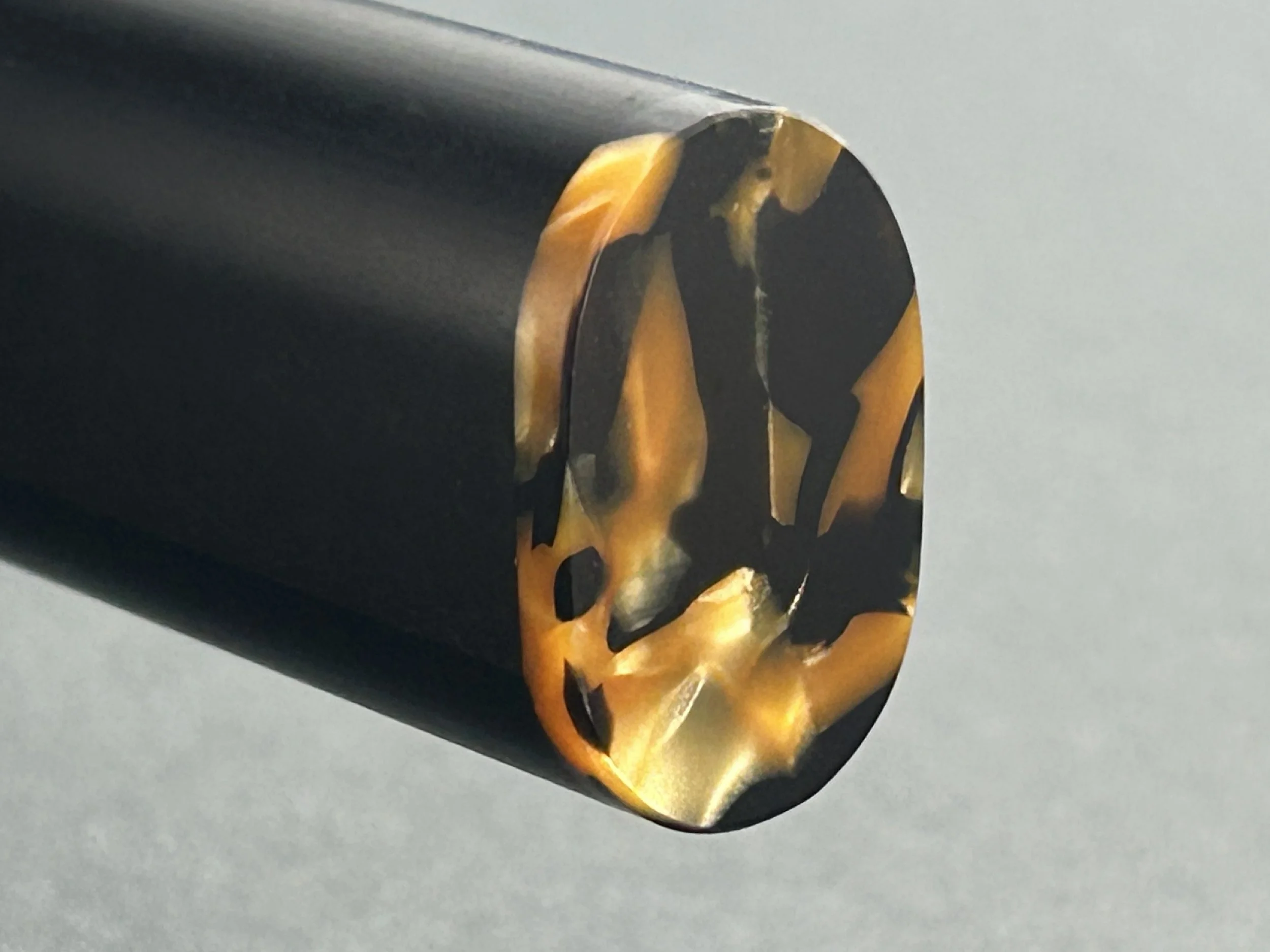 Image 5 of 14
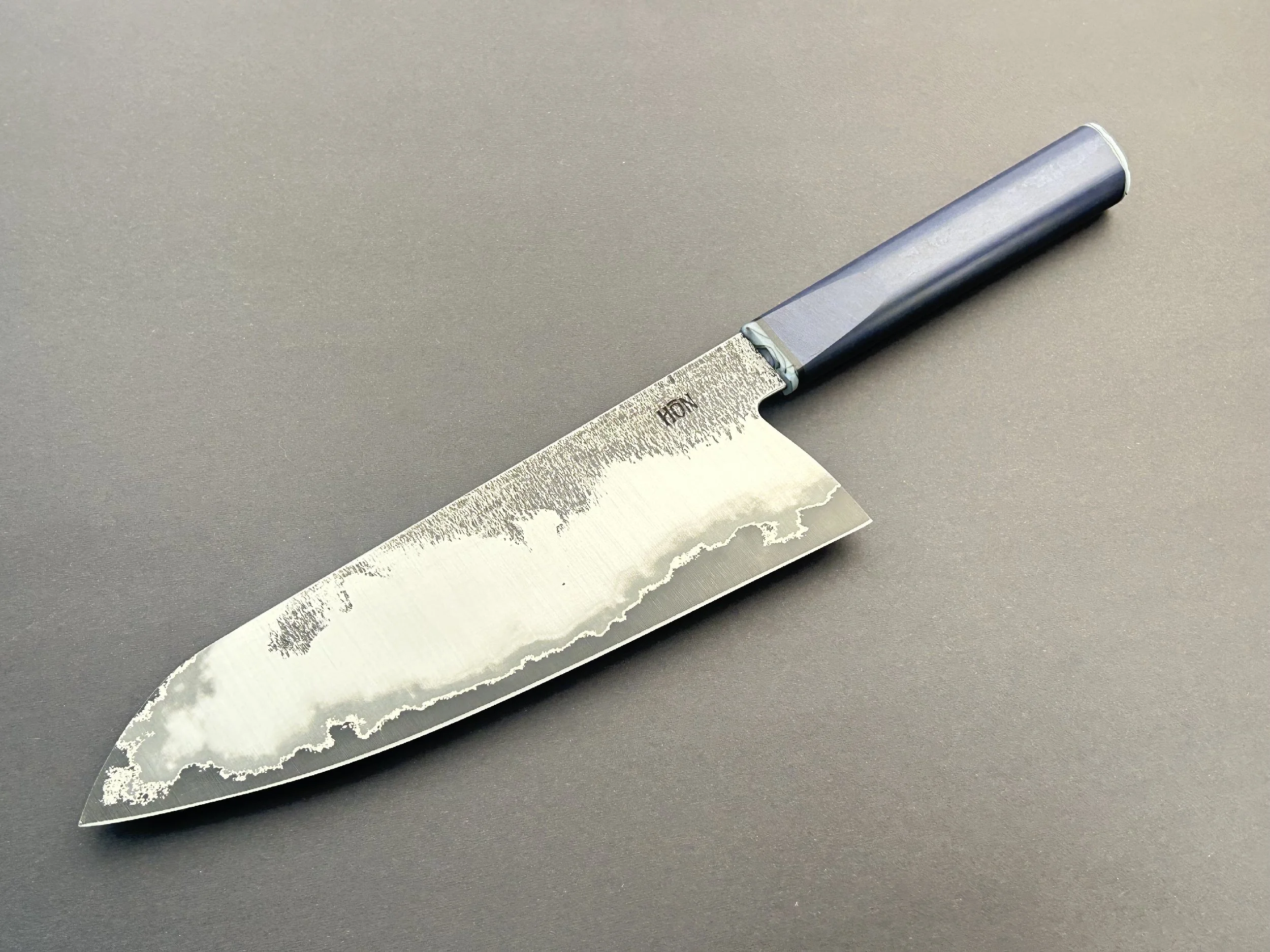 Image 6 of 14
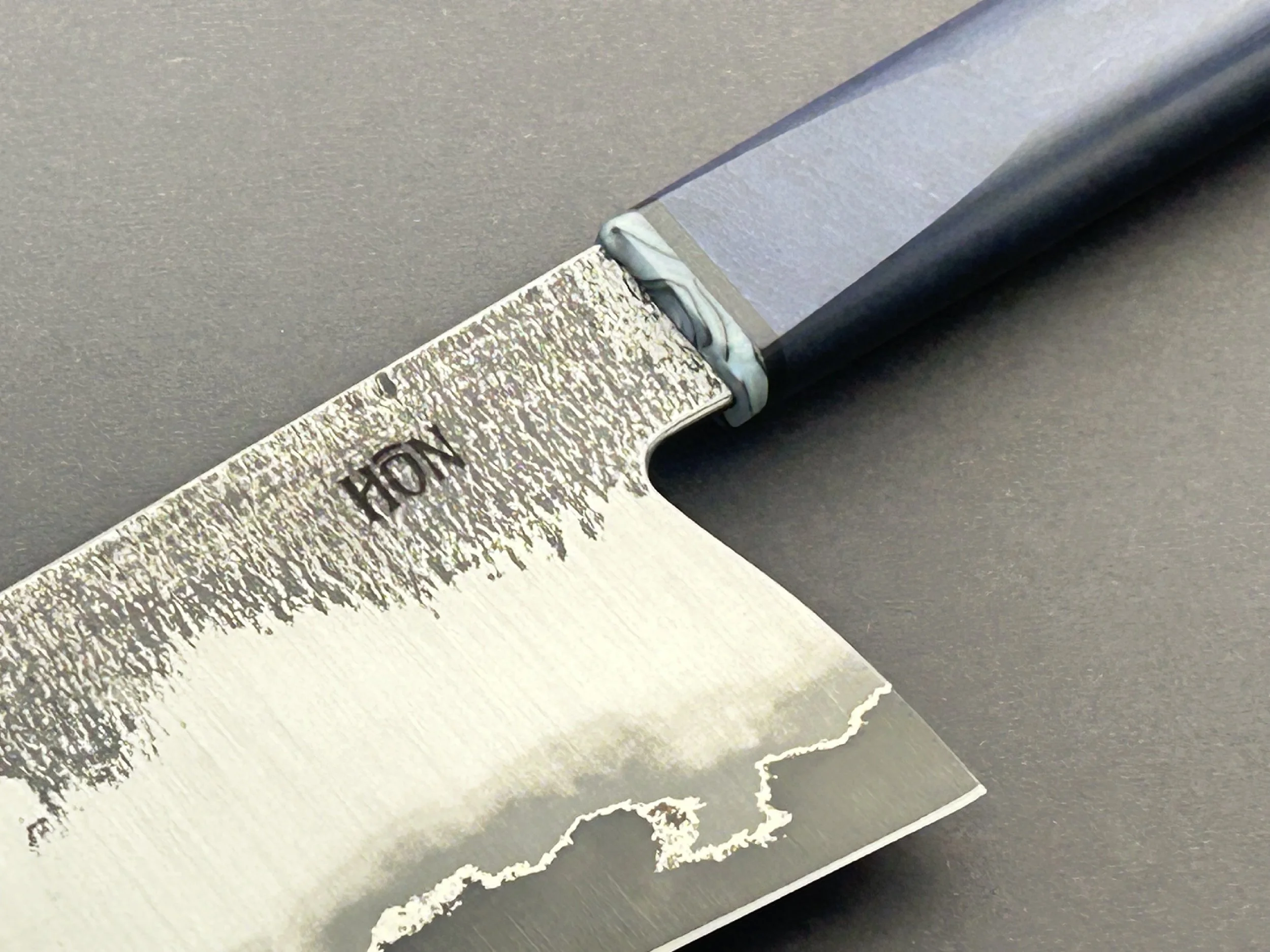 Image 7 of 14
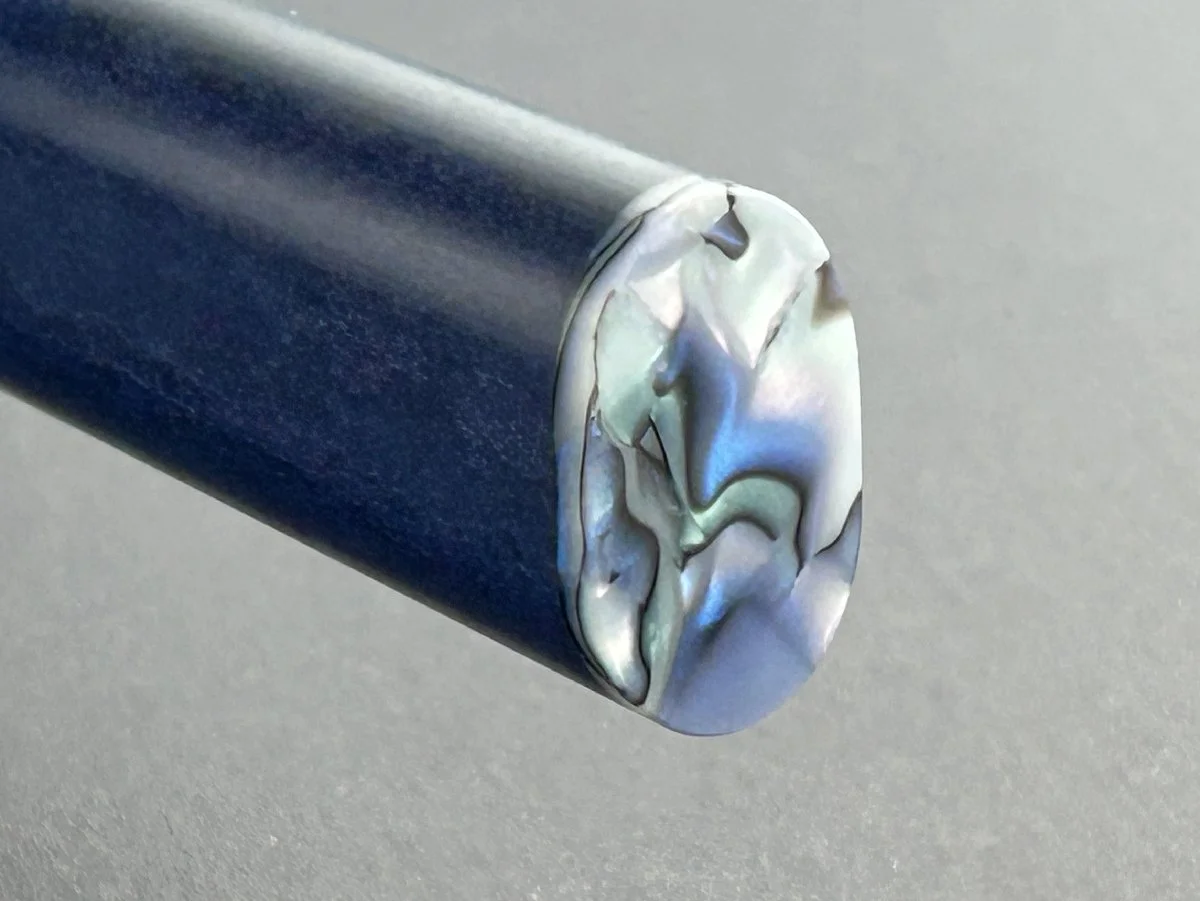 Image 8 of 14
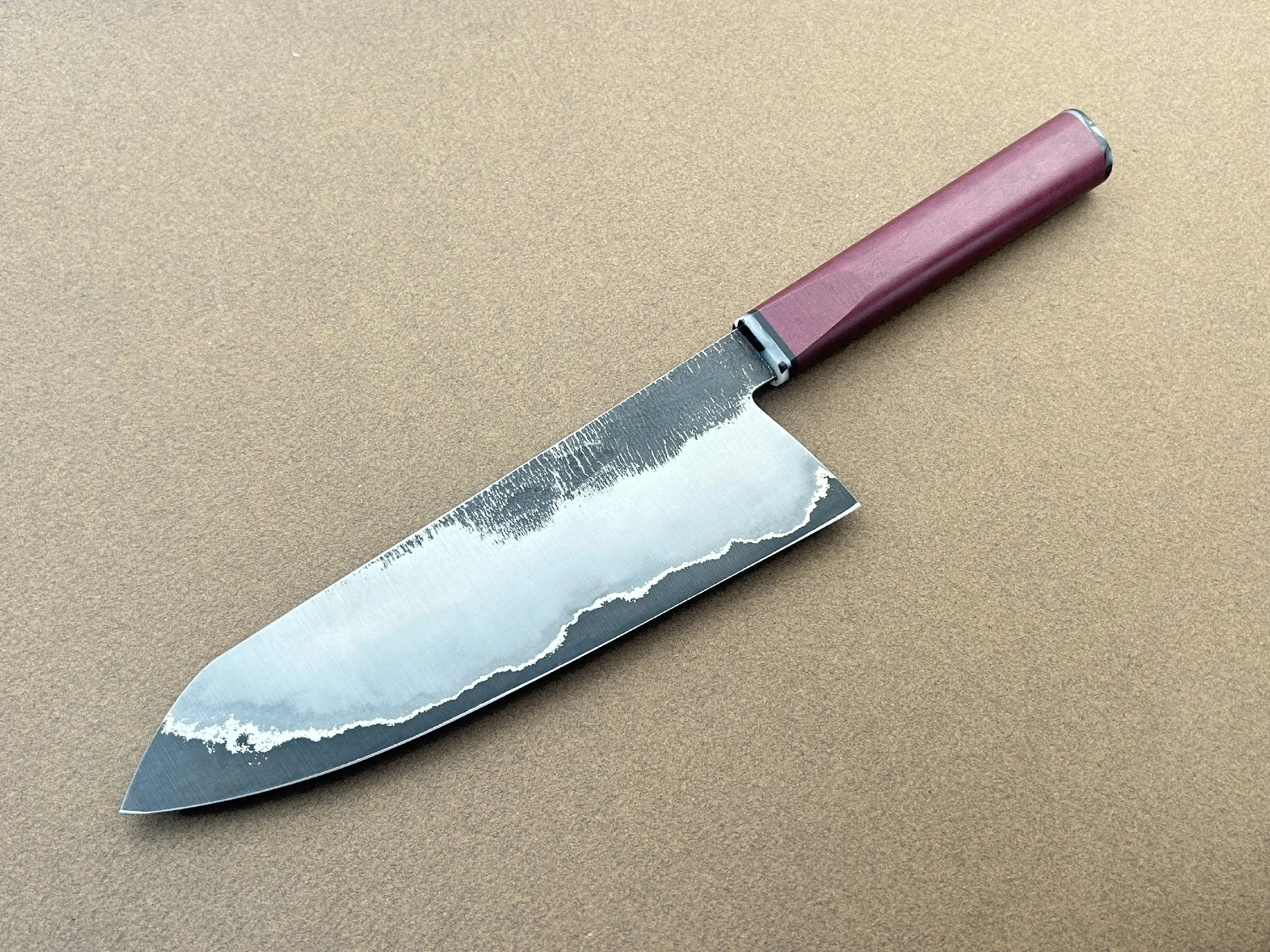 Image 9 of 14
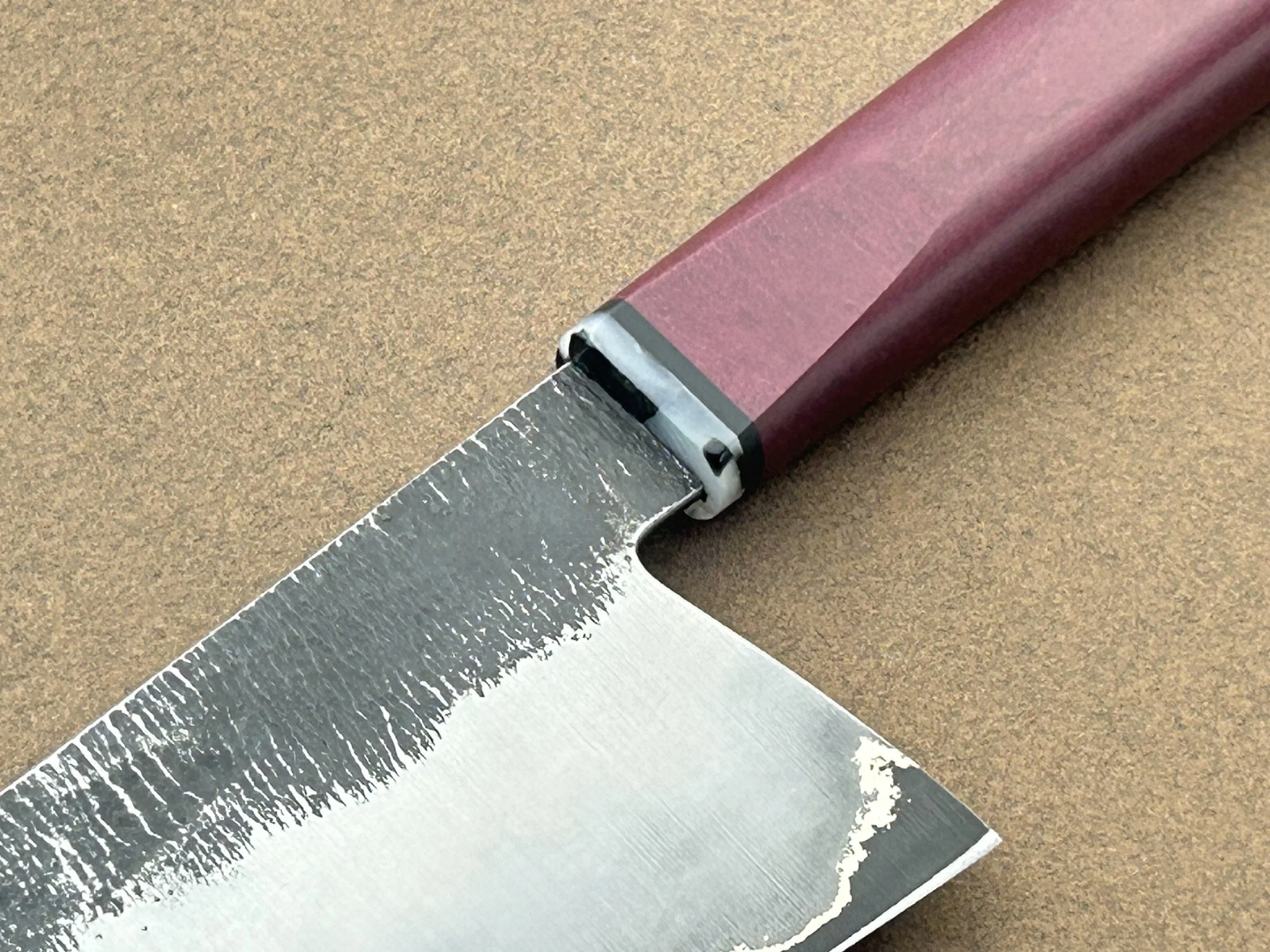 Image 10 of 14
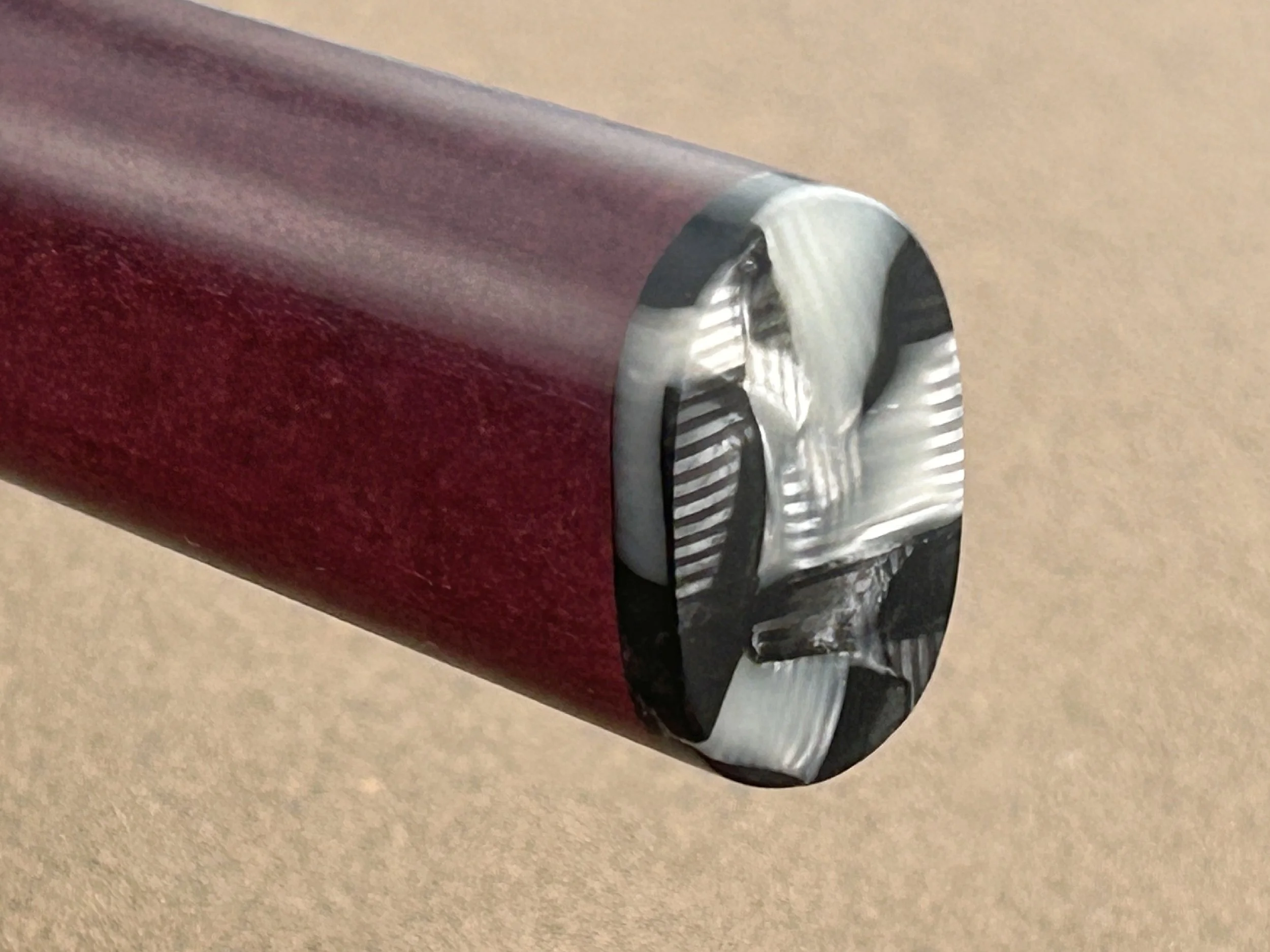 Image 11 of 14
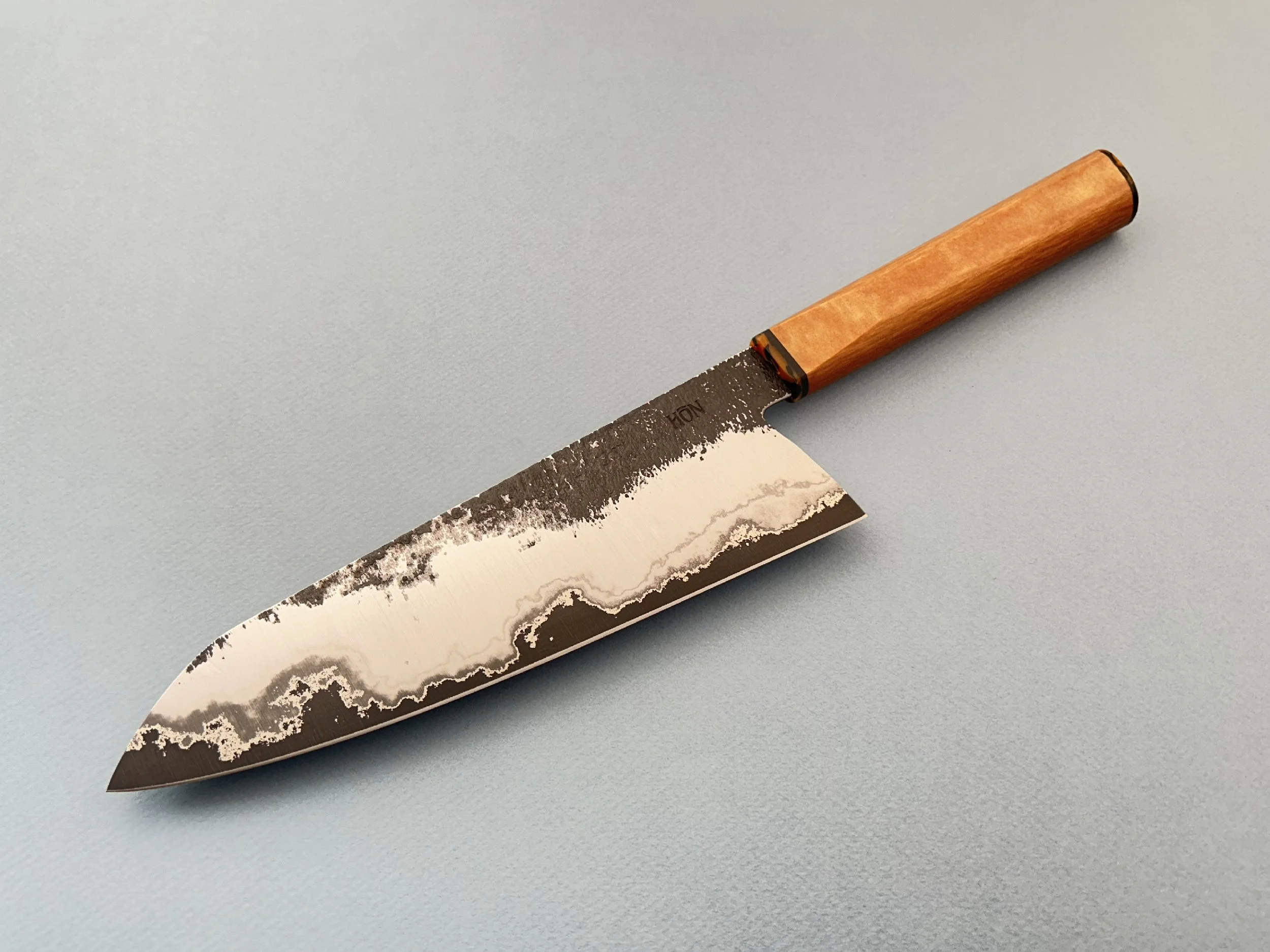 Image 12 of 14
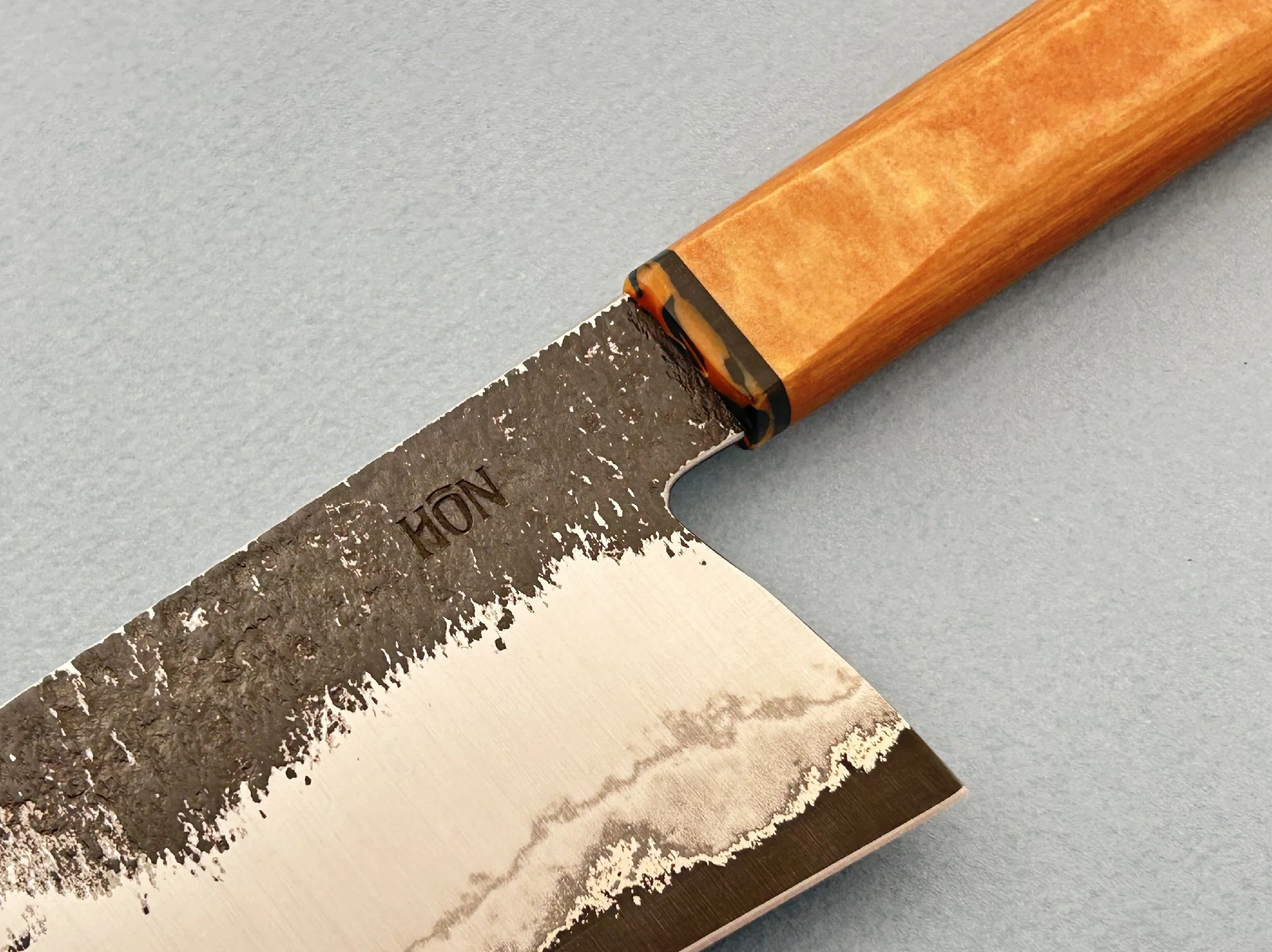 Image 13 of 14
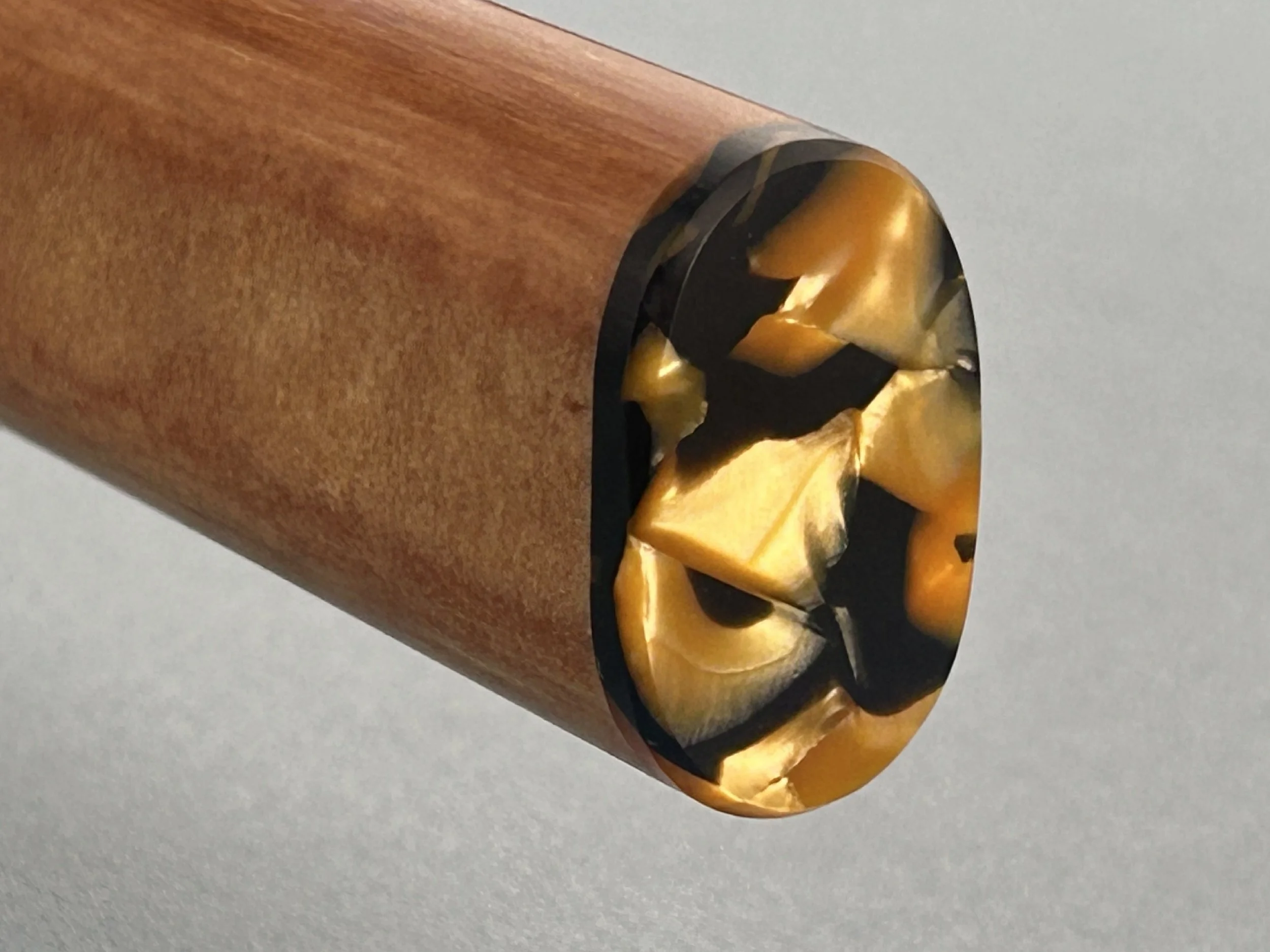 Image 14 of 14
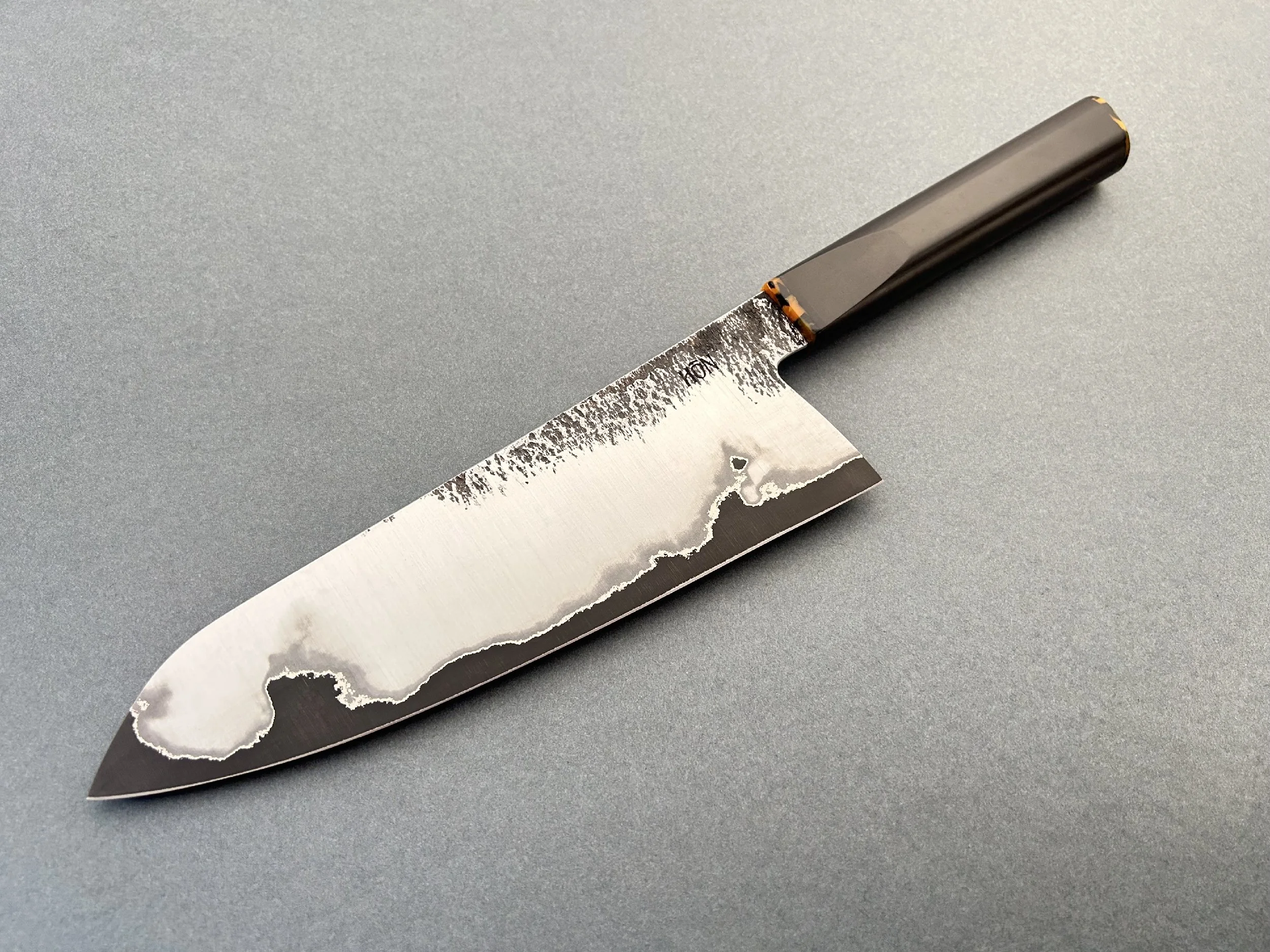
Premium, hand-forged blade that stays sharp

Made from recycled and sustainable materials

Ultra-lightweight and ergonomic design

100% designed and built in Quebec, Canada

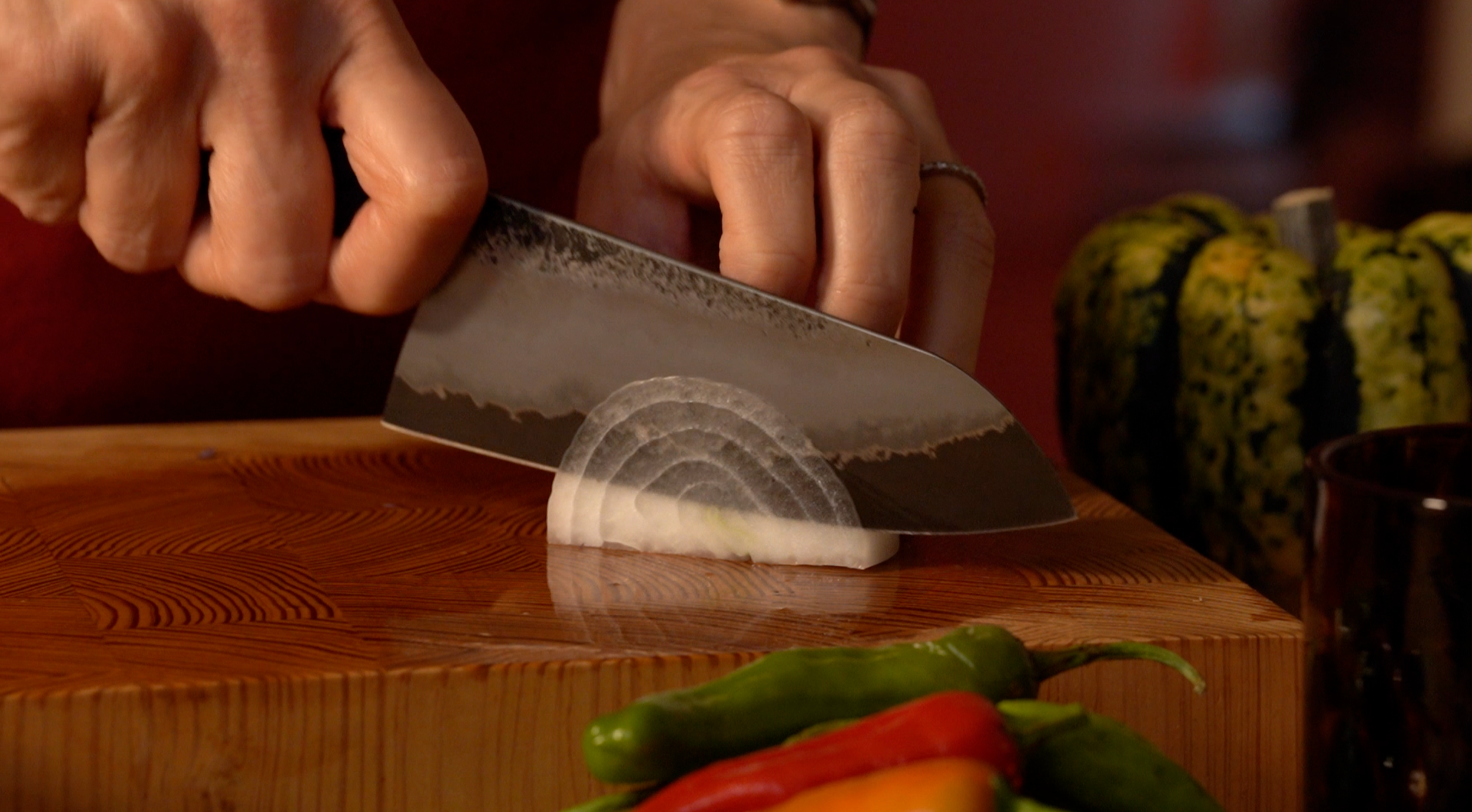
Ultra-lightweight and ergonomic by design
Highly versatile for everyday
A gently curved blade is well suited for rock-chopping, push cuts, mincing, and more.
Effortless in your hand
X% lighter than the leading western chef knife, this knife won’t tire out your hands or wrists.
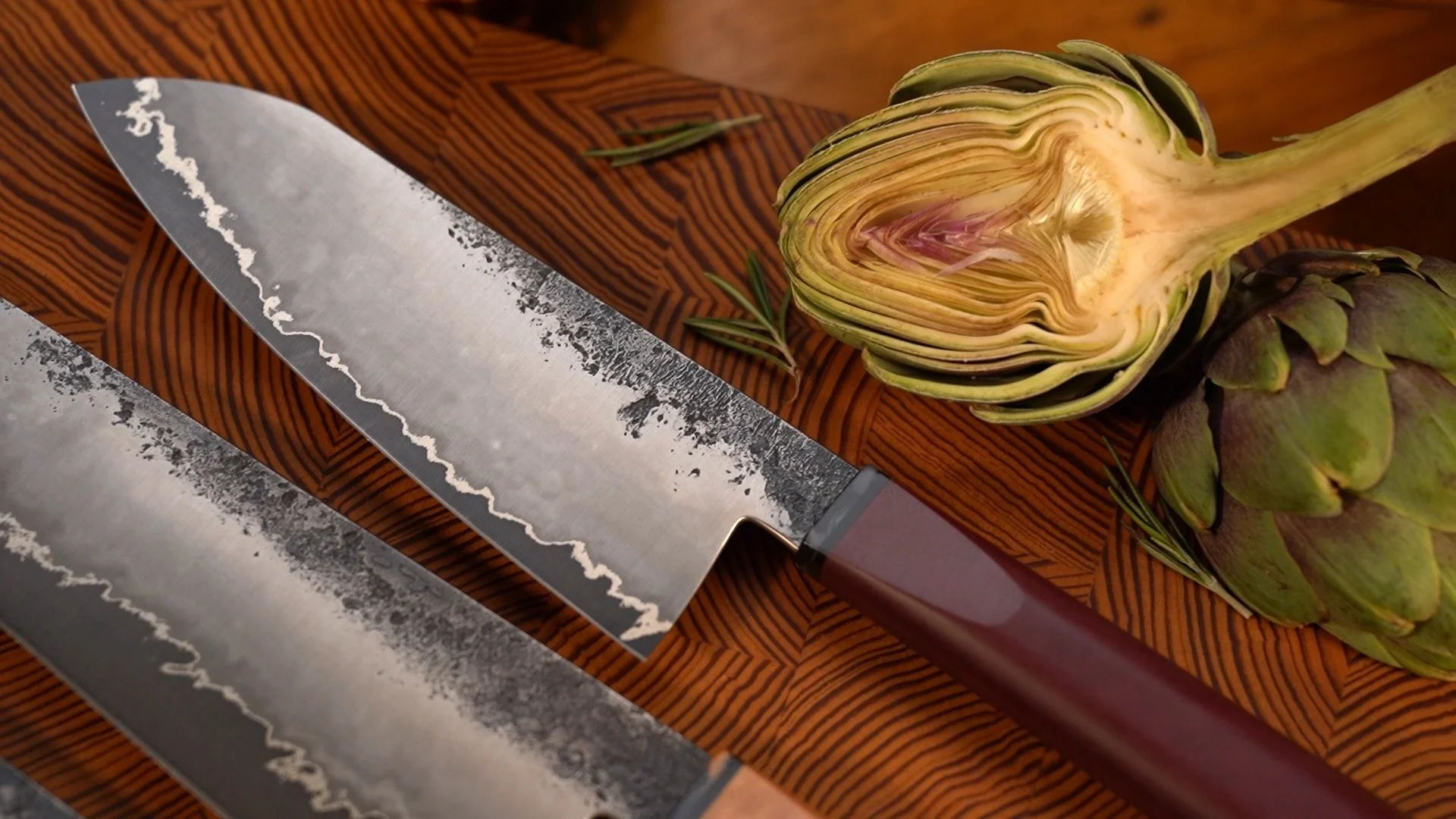
-
Weight: 35g
Blade Length: 200mm
Overall length: 32cm
Height at heel: 6cm
Spine thickness: 100/1000”
Grind: Symmetrical flat grind
Balance point: 1cm in front of handle
Knife Type: Chef
Steel Type: 26C3 High-carbon steel, Stainless steel
Handle Materials: Richlite, Biodegradable Celulose Acetate
Country of origin: Canada
Maker: Noah Vachon
A premium blade that stays sharp meal after meal
Both beautiful and high-performing, we forge our own blades using a technique called San Mai, Japanese for “three layers”.
High-carbon cutting edge
26C3 “Spicy White” steel core. Stays sharp over time, with a Rockwell hardness of 62+.
Stainless steel outer layer
Resistant to corrosion. Softer steel means it’s better at absorbing impact than carbon-only blade.
Lasts a lifetime
Sharpen yours at home. Follow our simple care guide and your knife will outlast you.
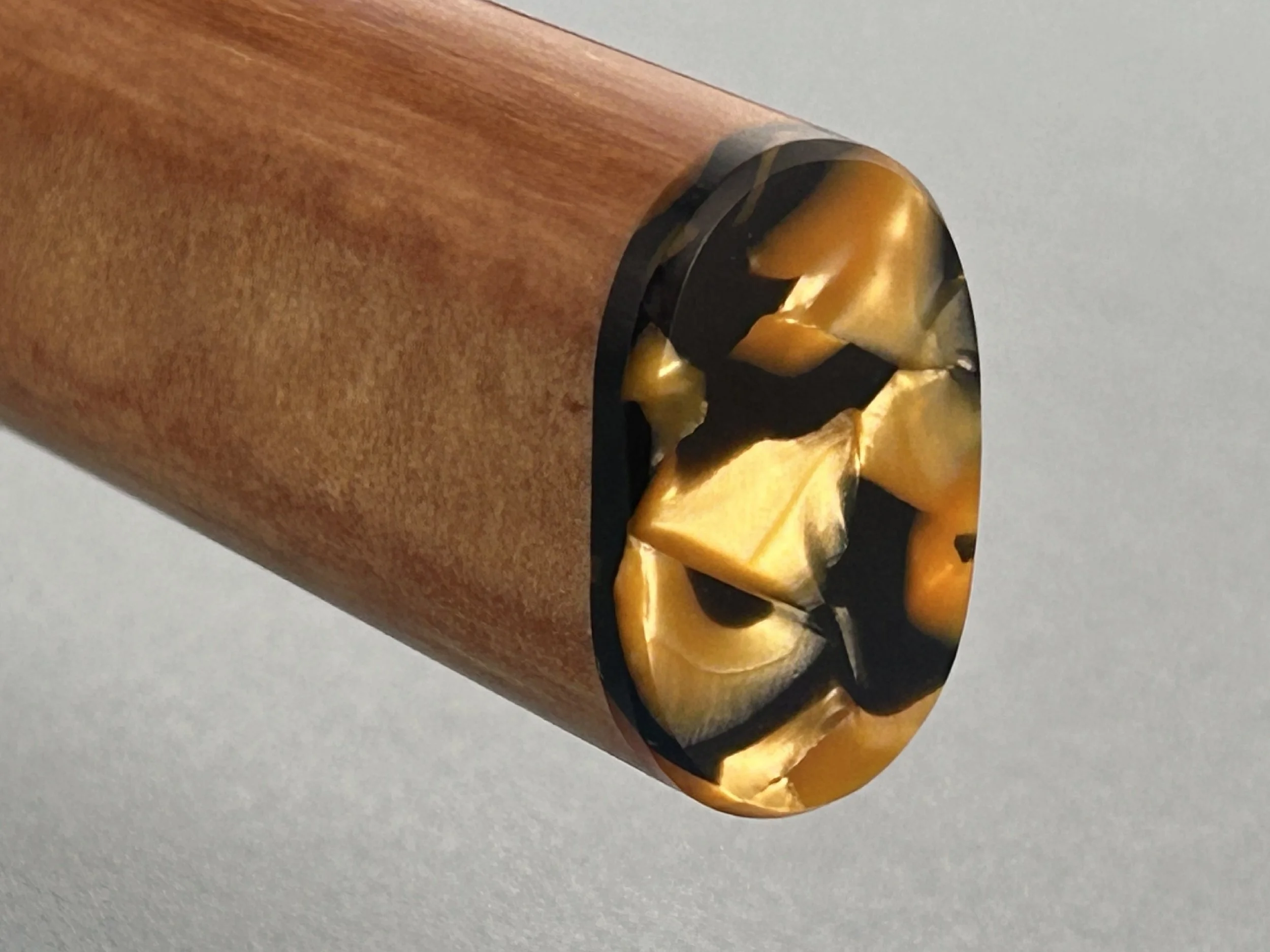
Elegant handle made from recycled and sustainable materials
Durable, moisture-resistant handle
This sustainable material (Richlite) is made by laminating hundreds of layers of recycled paper under heat and pressure. It’s warm in the hand, water resistant and highly-durable.
Eye-catching accents
We use the finest grade of Italian Mazzucchelli cellulose acetate, a plant-based, biodegradable material with a long history in high-end eyewear and luxury goods.
An exceptional knife, by a master craftsman
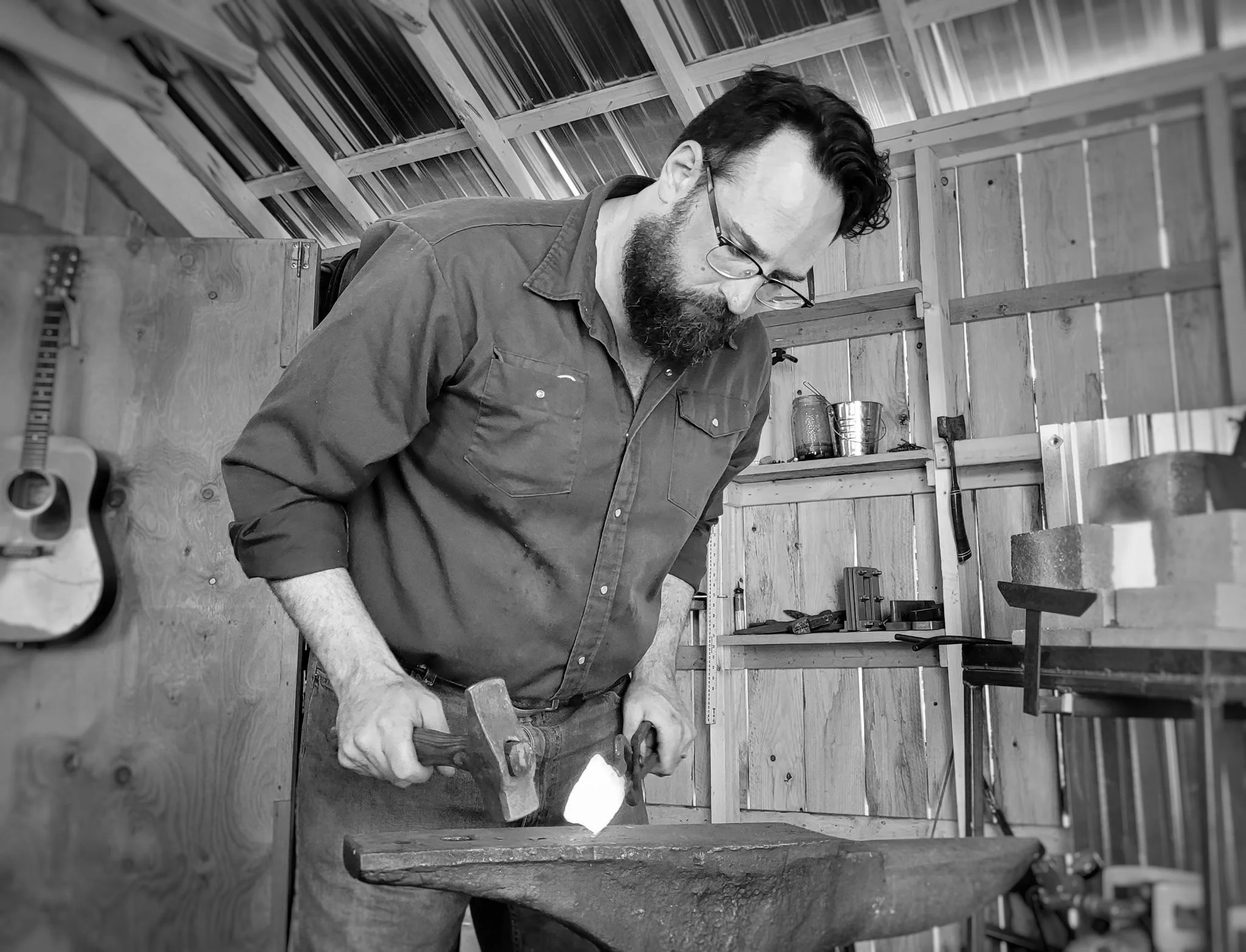
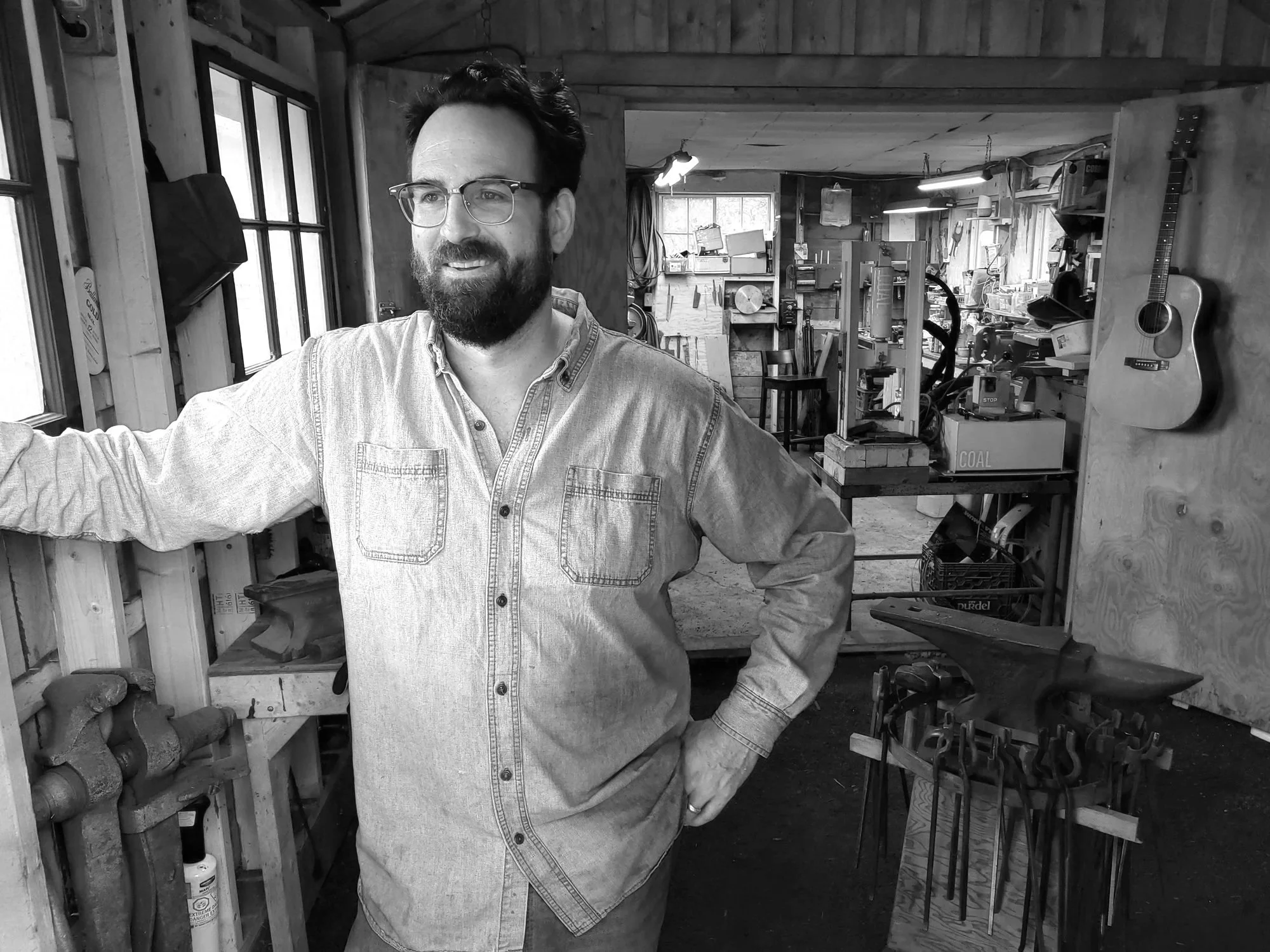
A decade at the forge
Noah Vachon has been crafting high-end custom knives for chefs and collectors around the world for more than ten years. His work has been featured in Blade Magazine and Knife Magazine, and this fall it became the subject of a documentary, Noah Vachon: On the Cutting Edge, by filmmaker Louise Abbott.
A lifetime of making
Before he ever picked up a hammer, Noah trained under a master luthier building guitars, then went on to study industrial design. That mix of fine woodworking and ergonomics is why a HON knife feels so balanced and light in your hand.
A teacher to other makers
Noah has taught many knife making workshops over the years, including courses at the New England School of Metalwork, and he still coaches bladesmiths one-on-one today. He brings the same care and precision to every HŌN knife that he puts into his custom work.
100% designed and built in Quebec, Canada
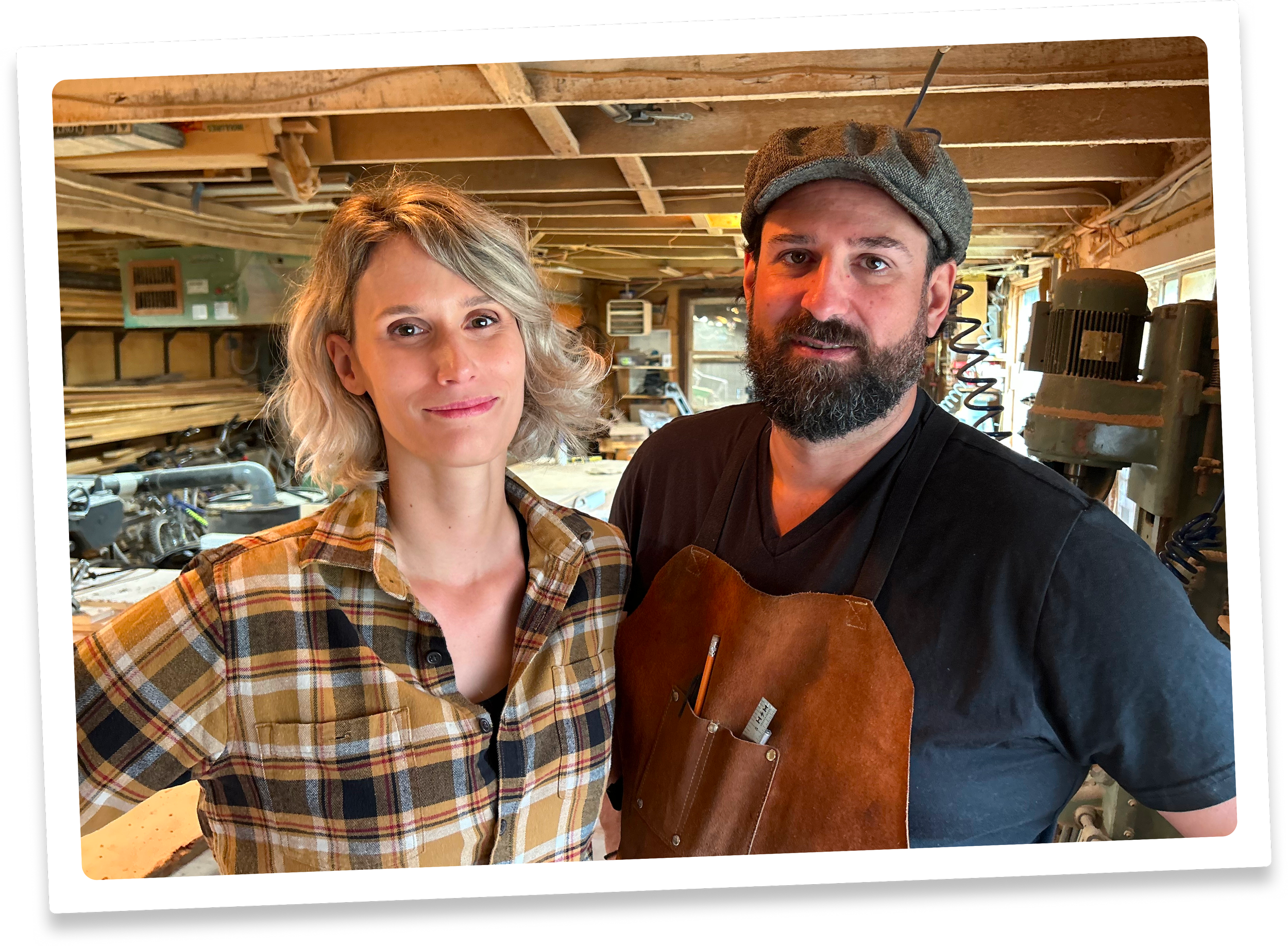
A brother-sister family business
Noah and his sister Cait always dreamed of starting a business together, and HŌN is where their two crafts meet. Noah forges every blade by hand, while Cait, who spent her career leading product design teams, helps shape everything around it, from the colours and materials of each handle to the way your knife arrives at your door.
Rooted in heritage
Family and heritage have always been important to them. Today they work out of their dad's old workshop in Tomifobia, Quebec, making knives meant to be used every day and loved for years.
How to care for your knife
01
Handwash, dry right away
Wash the blade by hand, dry it right away, and avoid letting it sit wet. Never run it through the dishwasher or soak it in the sink.
Don’t worry about a little color change. The carbon steel at the core of your knife has a base layer of black oxide which will serve to protect it, however carbon steel is reactive. Over time it will develop a patina that reflects the unique way in which your knife is being used.
02
Wood boards are best
Use an end-grain hardwood, a standard wood, or even a BPA-free plastic board and your knife will stay sharp and in great condition.
Avoid cutting on glass, stone, porcelain, marble, metal – these surfaces will dull your blade very quickly.
03
Sharpen on a stone
We recommend using water or diamond stones or diamond-coated sharpening plates or rods.
Never use a pull-through sharpener with a fixed angle – they can damage the thin, hard performance edge.
“This knife is simply stunning! Pictures don’t do it justice and I love the way it feels in hand. And it’s exactly the size I was looking for.”
— Richard, California